Crawl Space Encapsulation in Marietta & Cobb County, GA
Take the next step for your home
Tell us your concern. We'll check local contractor availability.
No referral fee · No obligation to hire
What is crawl space encapsulation and how does it work?
Crawlspace encapsulation may use a vapor barrier, vent strategy, drainage, and dehumidification when site conditions support it. Musty smells, sagging floors, and humidity have multiple possible causes. Marietta Foundation Repair is a referral service; if an introduction is available, confirm contractor credentials, assessment fee, scope, and schedule directly.
A crawlspace can hold ground moisture, outdoor humidity, seepage, or plumbing leaks. The contractor may recommend a sealed liner, vent closure, drainage, sump equipment, or dehumidification after reviewing the space. Confirm any assessment fee and scope directly; this referral service does not perform the work.
Marietta Foundation Repair is a disclosed lead-referral service, not a contractor. We may check whether a suitable contractor is available across Marietta, East Cobb, Smyrna, Kennesaw, Acworth, and Powder Springs. Verify any contractor’s identity, license, insurance, assessment fee, scope, and schedule directly. The referral request has no fee from us.
Moisture, odors, visible growth, and damaged framing are related observations but different scopes. A moisture-control proposal should not be presented as a mold diagnosis, health remedy, or structural repair; ask appropriate remediation and framing professionals to evaluate those issues separately where indicated.
When might a crawlspace moisture-control scope be considered?
Crawlspace humidity depends on ventilation, ground moisture, drainage, weather, and construction. A vented space can admit humid air, and condensation or ground moisture can affect framing, but conditions vary by property. Encapsulation may combine a vapor barrier, vent treatment, drainage, and dehumidification after a site assessment.
Ground moisture and outdoor humidity can both affect a crawlspace. The USDA Official Series Description classifies mapped Cecil soils as low shrink-swell, but the map is not a property diagnosis; fill, drainage, grading, foundation type, and settlement history vary by lot. A contractor should inspect the space and water path before recommending a system.
Warm, humid air can condense on cooler surfaces under suitable conditions. Moisture, odors or mold may have several sources; measurements and an appropriate assessment are more useful than assuming all vents behave the same way.
Encapsulation, ventilation changes and drainage measures have different purposes and limitations. Ask how the proposed scope addresses the identified moisture source and how performance will be checked.
What are the signs my crawl space needs encapsulation?
Moisture, odors, visible damage and floor changes may warrant investigation, but do not by themselves select encapsulation or establish a health diagnosis. Ask what measurements and source investigation support the proposed approach.
Odors, visible moisture, material deterioration or floor changes are observations to document. They do not establish a single cause or prove that encapsulation is needed. Avoid entering an unsafe crawl space.
Air and moisture can move between building areas, but this guide does not establish a percentage of indoor air from the crawl space or diagnose health symptoms. See the warning-sign guide for property observations.
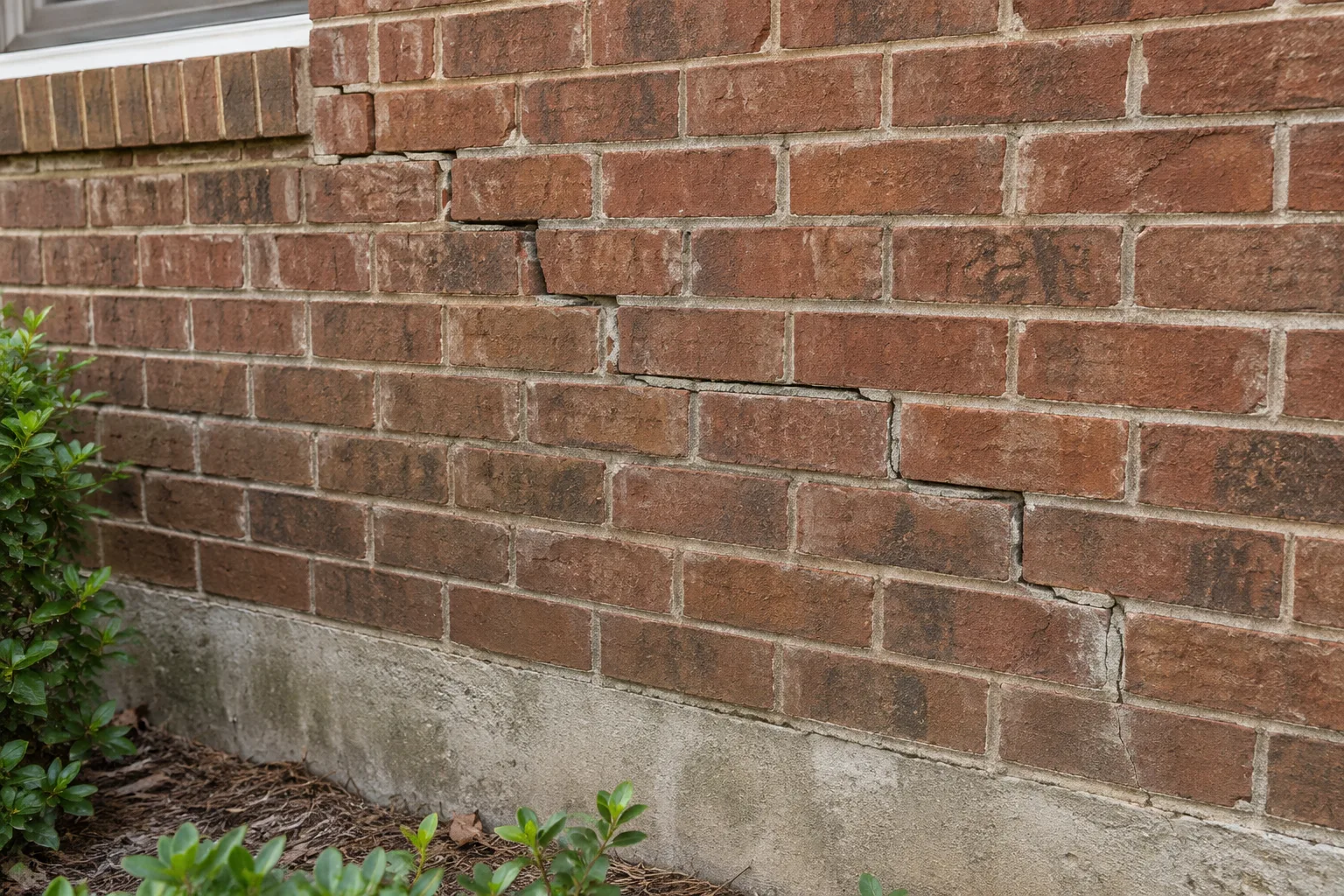
If you see sticking doors, gaps at baseboards, or stair-step cracks alongside moisture, document them and request an assessment if available. Ask what the contractor measured in the crawlspace and framing; moisture alone does not diagnose structural movement.
What components might a crawlspace moisture-control scope include?
A crawlspace moisture-control scope may include a ground vapor barrier, vent or air-sealing changes, drainage or sump equipment, dehumidification, insulation, or other components. The provider should select and size components from observed moisture paths, humidity measurements, access, drainage, building design, and maintenance needs; there is no fixed four-part system for every space.
If an introduction is available, ask the provider to document humidity, ground moisture, water entry, ventilation, access, and framing conditions before proposing components. Confirm the assessment fee, measurements, scope, product requirements, maintenance, and exclusions directly.
A ground vapor barrier may limit a documented ground-moisture pathway when its material, seams, terminations, penetrations, and future access are properly scoped. It does not by itself establish that outdoor air, plumbing, condensation, or standing water is controlled.
Where water collection or elevated humidity is documented, a provider may discuss drainage, a sump, ventilation or air-sealing changes, or a dehumidifier. Ask how capacity, discharge, power, maintenance, and performance checks will be handled; do not treat any component as a guarantee against mold, rot, or framing damage.
- Ground vapor barrier - considered where ground moisture is documented and installation details can be specified
- Ventilation or air-sealing changes - considered where measurements identify an outside-air or condensation pathway
- Drainage or sump equipment - considered where a documented water path and discharge plan support it
- Dehumidification - considered where measured humidity and the building design warrant equipment and maintenance
- Insulation or other air-sealing - considered where the conditioned-space design and code or product requirements support it
How much does crawl space encapsulation cost in Marietta?
Published figures such as $5,000-$12,000 are rough budgeting context, not verified Cobb County price data or a quote. Size, access, drainage, materials, equipment, insulation, remediation or framing needs, and written maintenance terms can change the scope substantially. Confirm assessment fees and proposal assumptions directly.
A smaller scope may involve a measured moisture-control component, while another property may require drainage, equipment, access work, or separate remediation or framing work. Published figures are rough budgeting context, not verified local prices; ask which components and exclusions the proposal includes.
Encapsulation is sometimes part of a larger foundation plan. If the moisture has already weakened the framing, the contractor may recommend pier-and-beam repair such as sister beams or shimming, which falls within the broader $3,500 to $25,000 foundation repair range. Where seepage is the driver, related basement waterproofing work runs $2,000 to $10,000. These figures are rough budgeting context, not verified Cobb County price data or a contractor quote.
Because every crawlspace and soil grade is different, no honest number exists without an on-site evaluation. Any contractor assessment fee and terms are confirmed directly with the contractor, who may provide a written estimate before work begins. You can also frame your budget with our foundation cost estimator.
How does encapsulation protect my foundation and floors?
Moisture-control work may help address an identified source, but does not guarantee sound framing, prevent settlement or repair existing damage. Ask how the source was investigated, what performance will be measured and whether separate structural work is needed.
Visible moisture or damaged materials may warrant investigation of both the water source and supports. The framing and support guide offers questions, not a diagnosis from humidity alone.
Vapor barriers, drainage, ventilation changes and dehumidification have different purposes and limits. Confirm the proposed design, maintenance and measurements; no system universally keeps framing sound or makes another repair permanent.
Encapsulation may help manage moisture, but it does not diagnose or prevent every structural problem. A contractor should inspect the actual supports, framing, drainage, and elevations; related stair-step cracks or sticking doors require separate assessment. Encapsulation is not a substitute for structural repair when evidence shows movement.
What can encapsulation address, and what does it not establish about mold?
Encapsulation is not a guaranteed mold or odor remedy. Investigate the moisture source and any existing contamination or material damage with appropriate professionals. Confirm the proposed scope, limitations and maintenance; seek healthcare advice for health concerns.
Moisture can support mold growth, but odor alone does not establish its source or extent. This guide does not diagnose contamination or health effects. Ask an appropriate professional how a suspected problem should be assessed.
Encapsulation may reduce some moisture pathways, but it does not guarantee that mold, odor, or wood damage will stop. If significant mold or wood rot is present, ask a qualified professional about remediation and structural scope before authorizing encapsulation.
Standing water may require investigation separate from humidity control. Drainage measures are options only where the observed conditions support them. Confirm assessment fees, methods and written findings directly; a referral does not guarantee a diagnosis or system design.
Where might crawlspace homes occur in Cobb County?
Crawlspace and basement-plus-crawlspace construction can occur across the listed service area, but housing patterns and conditions vary by property. Moisture, framing, supports, access, and drainage should be assessed in the actual space before discussing a moisture-control scope.
Crawl-space construction varies within neighborhoods and housing eras. A basement addition or a 1990s subdivision address does not establish future mold, humidity or floor damage.
Older raised-foundation homes appear throughout Marietta (30060, 30064, 30067) and Smyrna as well. Housing, drainage, soil, and crawlspace conditions vary by lot; inspect the actual moisture path and framing rather than relying on a neighborhood label.
This service may check whether a suitable contractor is available across Marietta, East Cobb, Smyrna, Kennesaw, Acworth, and Powder Springs. We do not promise a single provider, credentials, assessment, or repair. Related foundation repair questions should be confirmed directly with any contractor.
Frequently asked questions
Does Marietta Foundation Repair do the crawl space encapsulation itself?
No. Marietta Foundation Repair is a disclosed lead-referral and marketing service, not a contractor. If a suitable contractor is available, we may introduce you; verify credentials, assessment fees, scope, and schedule directly. The referral request has no fee from this service.
How much does crawl space encapsulation cost in Cobb County?
Published encapsulation figures are rough planning examples, not verified Cobb County prices. Size, access, drainage, materials and maintenance can affect a proposal. Confirm any assessment fee, written scope and terms directly with a contractor.
Can crawlspace vents contribute to moisture problems?
They can be one possible pathway, but ground moisture, drainage, rain entry, plumbing, condensation, and framing condition also matter. Ask for humidity and moisture-path measurements before deciding whether ventilation changes, a vapor barrier, drainage, dehumidification, or another scope fits.
Will encapsulation fix my sagging or bouncy floors?
Encapsulation may reduce moisture, but it does not restore joists or girders that are already weakened. If floors are bouncy or sagging, request a site assessment and ask whether pier-and-beam work is needed alongside moisture control. These figures are rough budgeting context, not verified Cobb County price data or a contractor quote.
What should I confirm before scheduling an inspection?
Any contractor assessment fee, scope, and availability are confirmed directly with the contractor. Ask for measurements of humidity, vapor barrier, drainage, and framing, then review the written scope and price. The referral request has no fee from this service.
Which Cobb County areas do you serve for crawl space encapsulation?
The page lists Marietta, East Cobb, Smyrna, Kennesaw, Acworth, and Powder Springs as service areas for referral requests. This service may check whether a suitable contractor is available there, but availability, qualifications, assessment terms, and scope are not guaranteed; confirm them directly.