How to Vet a Foundation Repair Contractor in Cobb County (Red Flags + Questions to Ask)
Need help with your own home?
Tell us your concern. We'll check local contractor availability.
No referral fee · No obligation to hire
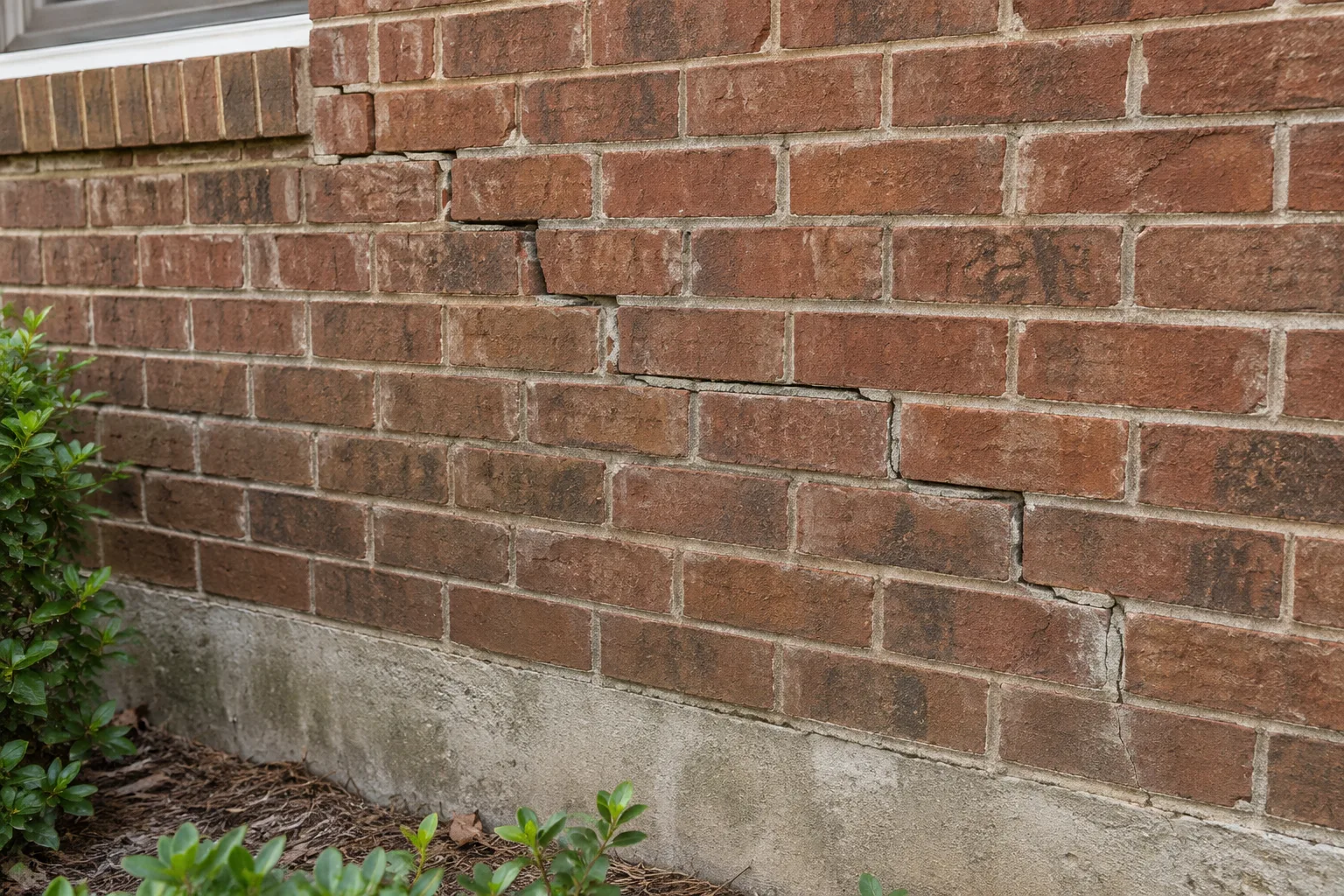
How do I choose a foundation repair contractor in Cobb County?
Choose a foundation contractor by verifying an active Georgia license and current insurance, collecting two or three written estimates that name the repair, and reviewing warranty terms. Avoid same-day pressure. Marietta Foundation Repair is a referral service, not a verifier; if an introduction is available, verify the contractor directly.
Foundation proposals can involve buried work, structural questions, and material costs, so a clear written scope matters. Published dollar figures elsewhere on this site are rough budgeting context, not verified Cobb County price data or a contractor quote. Ask what will be measured, what work is included, and what remains outside the proposal.
Marietta Foundation Repair is a disclosed referral service, not a contractor. We do not perform work or run crews. An introduction may be requested but is not guaranteed. Confirm the contractor's credentials, assessment fees, scope and schedule directly. We may receive a referral fee if a contractor accepts an introduction.
Because we are a referral service and not a contractor, we publish the vetting checklist below. Use it whether you hire through us or shop on your own. If an introduction is available, confirm the contractor identity, credentials, assessment fee, scope, and schedule directly; you can request an assessment or contact us.
- Active Georgia license appropriate to the work (general contractor or structural).
- Current general liability and workers' compensation insurance you can verify.
- Two to three itemized written estimates for the same scope.
- Written warranty terms, including exclusions and any transfer rules.
- An engineer's involvement on major underpinning or structural jobs.
How do I verify a foundation contractor's Georgia license and insurance?
Ask for the contractor's license information and verify it through the official Georgia source applicable to that license. Request current insurance documentation and confirm the named insured and dates with the issuing source where feasible. If information is refused or cannot be verified, pause and seek clarification rather than inferring legitimacy from a sales presentation.
Georgia regulates residential and general contractors through the Secretary of State's licensing board, and structural foundation work generally falls under that umbrella. Ask for the license number in writing and look it up yourself; do not accept a screenshot or a verbal assurance. Confirm the license is active, in the right classification, and registered to the company name on your estimate.
Ask for current general liability and applicable workers' compensation documentation, and verify it directly with the insurer. A certificate is not a guarantee of coverage for a particular incident. Coverage, exclusions, limits, and liability depend on the policies, applicable law, and facts; consult the insurer or a qualified adviser rather than assuming either policy protects you from every loss.
Verify the actual qualifying agent and insurance directly rather than relying on a referral. The assessment request can help you ask for a written scope, but contractor availability and credentials are not guaranteed.
How many estimates should I get for foundation repair?
Collect at least two written proposals when practical, but compare only scopes that address the same observed condition and assumptions. Each proposal should identify measurements, method, quantities, materials, exclusions, engineering or permit roles, schedule, payment terms, and warranty. Differences in totals do not by themselves prove a lowball or padded job; ask what explains each difference.
Ask each provider to name the observed condition, proposed work, materials, quantities, access assumptions, exclusions, and price. A sample quantity in a proposal is not a benchmark for another property; compare the actual documented scope rather than a generic count.
Use our published Cobb County cost ranges only as planning context. Crack repair, deep support, slab leveling, bowing-wall reinforcement, waterproofing, and encapsulation vary with measurements, access, quantities, and materials. Ask each contractor for a written scope and exclusions.
A site assessment may be needed for a provider to prepare a meaningful proposal, but the basis and limitations vary. Ask how measurements were obtained, what remains unknown, and whether the proposal is an estimate or firm price. If bids differ substantially, request a written explanation of scope and assumptions before deciding.
What are the red flags of a bad foundation repair contractor?
Watch for same-day pressure, large cash deposits, no written scope, refusal to share license or insurance, phone-only pricing, and vague warranties. Soil maps and regional claims should not replace a property assessment. Ask for measured evidence before accepting a structural recommendation.
A sign-today discount or an unsolicited claim that a nearby crew must start now can be a sales-pressure warning. That is different from a genuine safety emergency: sudden movement, instability or immediate hazards require appropriate emergency or professional help. Keep clear of unsafe areas. Neither a soil name nor a sales deadline establishes urgency.
Other warning signs include large cash deposits before any materials arrive, no written contract or a contract missing scope and warranty terms, door-to-door solicitation after a storm, and pressure to skip an engineer on a major job. Be cautious if a salesperson diagnoses a serious problem without explaining the evidence; regional soil and drainage context do not replace site measurements. See the Cobb County foundation-cause guide.
- "Sign today or the price goes up" same-day discount pressure.
- Large up-front cash deposits before materials are delivered.
- No written, itemized contract or no warranty in writing.
- Refusing to provide a verifiable Georgia license or insurance certificate.
- Diagnosing major repairs from a phone call or a five-minute walkthrough.
What questions should I ask a foundation contractor before hiring?
Ask for the Georgia license number, proof of liability and workers' comp insurance, an itemized written estimate, and the warranty terms (including whether it transfers). Ask how many piers or straps the job needs and why, whether an engineer will be involved, and who handles permits. Honest answers reveal a real contractor fast.
Good questions separate a foundation specialist from a high-pressure salesperson. The list below works for any foundation repair bid in Cobb County, from a single crack injection to a full pier underpinning or bowing-wall reinforcement.
Pay attention to whether the provider explains the observed conditions, measurements, alternatives, limitations, and responsibilities clearly. A discussion of drainage, foundation type, or code may be useful context, but it does not by itself demonstrate local expertise or establish that the proposal fits your home.
- What is your Georgia license number, and can I verify it myself?
- Can you provide current general liability and workers' comp certificates?
- Will you give me an itemized written estimate naming each repair and material?
- What does the warranty cover, how long does it last, and does it transfer to the next owner?
- How many piers, straps, or linear feet does this job need — and what specifically tells you that?
- Will a licensed structural engineer be involved on this job?
- Who pulls the permits, and is the work inspected?
What does a lifetime or transferable foundation warranty mean?
A warranty may describe repair coverage for a stated period and may or may not transfer to a later owner. Ask for the written terms, exclusions, movement limits, maintenance conditions, transfer process, and labor coverage. Do not treat a lifetime or transferable promise as established until the contractor provides it in writing.
Warranties matter because foundation repair is expensive and hard to inspect after the fact. Ask for the written warranty covering wall stabilization or piers, then check exclusions, transfer rules, movement limits, and whether labor is included. The USDA Official Series Description for Cecil classifies mapped Cecil soils as low shrink-swell. That regional map is not a diagnosis; fill, drainage, grading, foundation type, and settlement history vary by lot.
A warranty is only as useful as its written terms and the business standing behind it. Verify the contractor’s current license and insurance directly, request references if you want them, and confirm what the warranty covers before signing. Any contractor we may introduce is not pre-vetted or guaranteed by this referral service.
Do I need a structural engineer for foundation repair in Cobb County?
Whether an independent engineer should assess or review a proposal depends on the observed condition, structural significance, safety concerns, design responsibility, and applicable requirements. Ask the contractor to identify its engineering role and ask an appropriately licensed professional whether independent review is warranted; a license or sales assessment is not an engineering opinion.
An independent structural engineer may provide a separate assessment or design review for a substantial or uncertain proposal. Regional soil context does not decide whether that review is needed; the property evidence, risk, scope, and applicable requirements do.
For a crack, slab, pier, or wall scope, ask who is responsible for observations, design, permits, installation, and inspection, and whether independent review is appropriate. Published figures are rough budgeting context, not verified Cobb County prices or a contractor quote.
What should I ask when slab repair estimates differ?
Compare the observed condition, measurements, proposed method, quantities, materials, drainage or plumbing work, access assumptions, engineering and permit roles, exclusions, warranty, schedule, and payment terms. A lower or higher total does not by itself show poor workmanship; ask each provider to explain the scope and assumptions in writing.
Slab proposals may differ because the investigated condition, access, materials, testing, drainage, plumbing, design, or restoration scope differs. Ask what evidence supports each proposal and whether a separate opinion is appropriate when the scopes cannot be reconciled.
Published leveling figures are rough budgeting context, not verified Cobb County prices. Ask what diagnosis, materials, preparation, drainage, finish restoration, maintenance, and warranty are included rather than treating a price gap as proof of cut corners.
If you see warning signs, request a site-based explanation and compare the written scopes. You may request an assessment if a suitable contractor is available; confirm credentials, fees, responsibilities, and exclusions directly.
How does Marietta Foundation Repair vet the contractors it works with?
A referral is not a credential check or endorsement. Homeowners must verify the business, applicable licensing, current insurance, experience, proposed scope and any engineering role directly. This service does not guarantee contractor availability or qualifications.
Our model is simple and disclosed: we are not a contractor. We may check whether a suitable contractor is available for homeowners in Marietta, East Cobb, Smyrna, Kennesaw, Acworth, and Powder Springs. Verify any contractor’s identity, license, insurance, fees, and scope directly. The referral request has no fee from us; if an introduction is arranged under a referral agreement, the contractor may compensate this service.
Before authorizing work, ask the contractor for an active license record, current insurance, an itemized written estimate, warranty terms, and any engineering role. The referral service does not promise these attributes for an available contractor; verify each directly.
Ready to start? Request an assessment if available, review the numbers on our cost estimator, or contact us with questions about how the referral works.
Frequently asked questions
Is Marietta Foundation Repair a contractor or a referral service?
Marietta Foundation Repair is a disclosed lead-referral service, not a contractor. We do not perform foundation work. We may check whether a suitable contractor is available, but introduction, credentials, assessment terms, scope, and availability are not guaranteed. Verify them directly.
How do I verify a foundation contractor is licensed in Georgia?
Ask for the contractor's Georgia license number in writing, then verify it yourself through the Georgia Secretary of State licensing board. Confirm it is active, in the correct classification for structural work, and registered to the company on your estimate. Refusal to provide a verifiable number is a serious red flag.
How many foundation repair estimates should I get in Cobb County?
When practical, obtain at least two written proposals that address the same observed condition and assumptions. Compare measurements, method, quantities, materials, exclusions, engineering or permit roles, warranty, schedule, and payment terms. Do not use a generic pier count or published range as a benchmark for your property.
What is the biggest red flag when hiring a foundation contractor?
Same-day pressure, refusal to provide verifiable credentials or written scope, unexplained cash demands, and a diagnosis unsupported by measurements are reasons to pause. A sales deadline or regional soil story does not establish urgency; an immediate safety hazard should instead be handled with appropriate emergency or professional help.
Do I need a structural engineer for foundation repair?
For major underpinning, bowing walls, safety concerns, or unusual movement, ask whether an independent licensed professional engineer should review the recommendation. A contractor assessment is not automatically an engineering report.
Why should I be cautious of a very cheap slab repair quote?
A price difference deserves a scope comparison, not an automatic conclusion about workmanship. Ask whether the proposals use the same observations, method, quantities, materials, access, drainage, engineering, restoration, warranty, and exclusions; seek another opinion if the differences remain unexplained.