Why Your Basement Gets Wet After Heavy Rain in Cobb County
Need help with your own home?
Tell us your concern. We'll check local contractor availability.
No referral fee · No obligation to hire
Why does my basement flood or get wet only after heavy rain?
Rain-related water entry may involve runoff, drainage, groundwater, cracks, joints or other paths. Timing helps the investigation but does not prove pressure, saturated soil or a particular repair. Document where water appears without entering an unsafe area.
A heavy storm can reveal a problem, but water does not inevitably enter every foundation. Ask what observed route connects the rainfall to the indoor moisture.
Regional soil information does not establish permeability, saturation duration or pressure at your wall. Property-specific conditions and observations matter.
Use the assessment guide to ask about methods, access, fees and findings. A referral request does not guarantee a visit or diagnosis.
How might hydrostatic pressure relate to basement water entry?
Hydrostatic pressure is one possible water-related condition in which saturated soil exerts force against a foundation, but a wet basement can also involve runoff, grading, groundwater, cracks, joints, windows, plumbing or material absorption. Ask for the observed water path rather than assuming one mechanism.
Concrete and block can transmit moisture through pores, cracks, joints or other paths under some conditions. The cove joint is one possible route, not a universal or most-common entry point; document where and when water appears.
Local ZIP code, season or soil label does not establish pressure or the path at a particular wall. Ask what conditions were observed and what alternatives were considered.
Gutters and downspouts may help route runoff where the site permits, but discharge, grade, easements and existing drainage should be considered before changes.
Can poor grading and gutter overflow contribute to a wet basement?
Poor grading, overflowing gutters and misdirected downspouts may contribute to wet basements, but they are not the only possible causes. Trace the observed water path and consider grade, discharge, windows, plumbing, groundwater, cracks and joints before selecting work.
Positive drainage is a useful design and maintenance question, but a fixed slope or distance is not a universal prescription. Ask what the lot, easements, discharge and local requirements permit.
Inspect gutters and downspouts for blockage, overflow and discharge patterns when safe. Extensions or buried lines may fit some sites, while others need a different water-control scope; do not assume a dramatic result.
Exterior corrections may be worth discussing, but they should be based on the observed path and safe discharge. Compare them with interior or exterior waterproofing, crack treatment and other options in a written scope.
- Document grade, gutters, downspouts and window-well conditions without assuming the source
- Clean or maintain gutters according to site needs and safe access
- Ask where runoff discharges and whether an extension or buried line is suitable for the lot
- Check window-well drains when safe and document any blockage
- Compare surface-water corrections with other scopes using the observed path
Where does rainwater actually enter a wet basement?
Rainwater may enter through a cove joint, wall crack, window or well, porous masonry, plumbing, groundwater or another path. Identifying the actual path matters because possible responses differ; a list of possibilities is not a diagnosis.
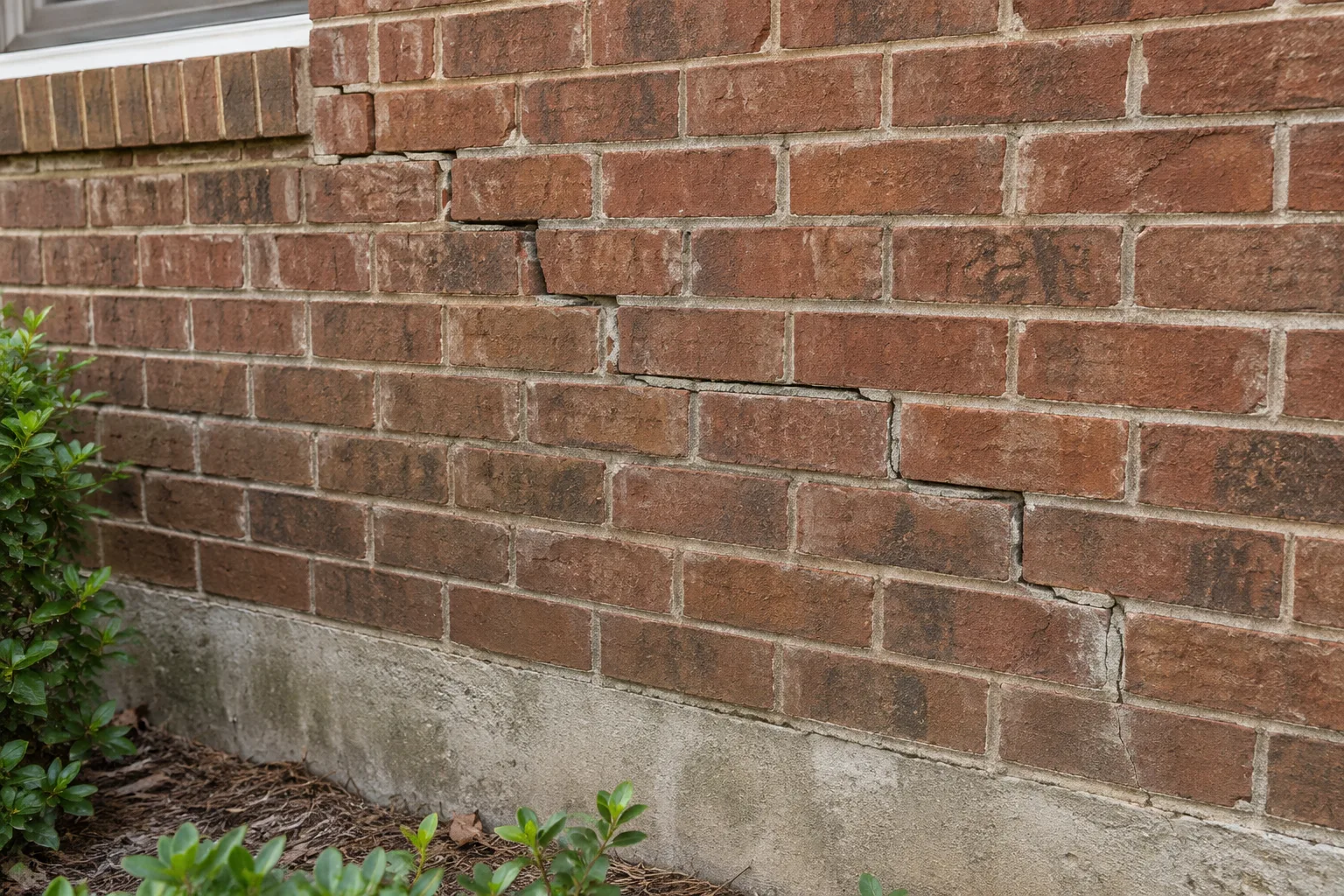
The cove joint is one possible entry point after rain. Vertical, horizontal or stair-step cracks may also admit water or raise separate structural questions; document the location and seek qualified review.
Window wells may collect water if drainage is blocked or absent, but the window, wall, grade and plumbing should also be considered. Clearing a drain or adding a cover may address a documented path, not every basement leak.
Moisture can move through older masonry without an obvious crack. Ask for observations before assuming an interior drainage system or another particular fix is required.
What are the fixes for a wet basement after rain, and what do they cost?
Possible responses include surface-water corrections, crack treatment, interior or exterior drainage, waterproofing, window-well work or another scope. The observed path, materials, access, safety and any structural condition determine what may fit. Published prices are rough budgeting context, not verified local data or a quote.
Polyurethane or another crack treatment may fit a suitable leaking crack, but it does not address every water path. Ask what was observed and what alternatives were considered. See the foundation crack repair page for injection questions.
An interior drain or sump system may be discussed when water enters through multiple points, but system, discharge, access and cost depend on the property. Learn more on the basement waterproofing page.
Exterior waterproofing may involve excavation, membranes or drainage work. It may be more disruptive than interior options; ask for the observed water path, alternatives and written scope.
- Grade and downspout work: possible surface-water scope when the observed path supports it
- Crack treatment: possible for a suitable crack, with product and substrate limitations
- Interior drainage or sump: possible system-level scope subject to water path and discharge
- Exterior waterproofing: possible excavation-based scope with access and restoration implications
- Window-well work: may address a documented window or drain path
How should moisture, mold and transaction questions be handled?
Persistent moisture can contribute to odor, material deterioration or mold conditions, but timing, extent and health implications depend on the materials and environment. Obtain independent mold or indoor-environment advice when appropriate, and obtain transaction or disclosure advice from the relevant professionals.
Mold and musty odor can have multiple sources and should not be diagnosed from an article. Document moisture, isolate or avoid affected areas when appropriate, and consult a qualified mold or indoor-environment professional about sampling, remediation and safety.
Known water history may raise transaction or disclosure questions, but this guide cannot determine legal duties, buyer responses, price concessions or closing outcomes. Consult the appropriate real-estate, legal or transaction professional and keep accurate records.
Chronic moisture can accompany material deterioration or wall movement, but it does not diagnose a structural problem. If bowing or displacement is present, ask about structural evaluation and water control. See structural bowing wall repair.
How do we work and what does an on-site inspection involve?
We are not a contractor. If a suitable contractor is available, this disclosed referral service may introduce you to that contractor for a direct assessment. Verify identity, license, insurance, assessment fee, scope, schedule, and warranty directly. The referral request has no fee from this service; if an introduction is arranged under a referral agreement, the contractor may compensate us.
When you call (678) 329-9460 or submit a form, we collect basic information and may check whether a suitable contractor is available. An introduction is not guaranteed. If available, the contractor arranges any assessment directly and explains the water-entry questions to review.
A contractor may provide observations and a written scope after an assessment, but a visit, fee, diagnosis, or repair is not guaranteed. If the issue appears limited to maintenance, ask what was observed and what you can address. Confirm any fee and terms directly before scheduling.
The service area includes Marietta, East Cobb, Smyrna, Kennesaw, Acworth, and Powder Springs. To get started, visit the on-site inspection page or call directly. For planning context, see the basement waterproofing cost guide.
Frequently asked questions
Can I fix a wet basement myself, or do I need a contractor?
Simple maintenance may help some surface-water issues, but do not conceal a crack, excavate or change drainage without understanding the condition and safe discharge. Active water, contamination, structural movement or electrical hazards call for appropriate professional help. An assessment can inform options but does not guarantee an exact diagnosis.
Does basement waterproofing actually work in Georgia's clay soil?
A drainage or waterproofing system may fit some water paths, but effectiveness depends on the observed path, design, installation, discharge and maintenance. Ask for a property-specific explanation and written limitations rather than relying on a soil label.
How do I know if my wet basement is a waterproofing issue or a structural problem?
Water entry can be associated with a waterproofing question, while bowing or displacement can raise a structural question, but neither symptom alone establishes the cause. Document the water path and wall condition and seek qualified assessment when movement or safety concerns are present.
Will homeowners insurance cover a wet basement in Cobb County?
Coverage depends on the policy, exclusions, flood provisions, and documented cause. Gradual seepage and groundwater may be excluded, while a sudden covered event may be treated differently. Confirm with your insurer rather than assuming a claim outcome.
Is a wet crawlspace the same problem as a wet basement, and are the fixes the same?
Crawlspaces and basements have different geometry, access, materials and possible systems. Some moisture-control concepts may overlap, but encapsulation, drainage, sump or waterproofing work should follow the observed path and proposed design; do not assume the causes or fixes are identical.
How much does it cost to fix a wet basement in the Marietta area?
Cost depends on the water path, access, proposed method and quantities. Published injection or drainage figures are rough planning examples, not verified local prices. Ask whether an assessment and written proposal are offered, what they cost, and what conditions could change the scope.