Epoxy vs Polyurethane Crack Injection: What Conditions and Limitations Matter?
Need help with your own home?
Tell us your concern. We'll check local contractor availability.
No referral fee · No obligation to hire
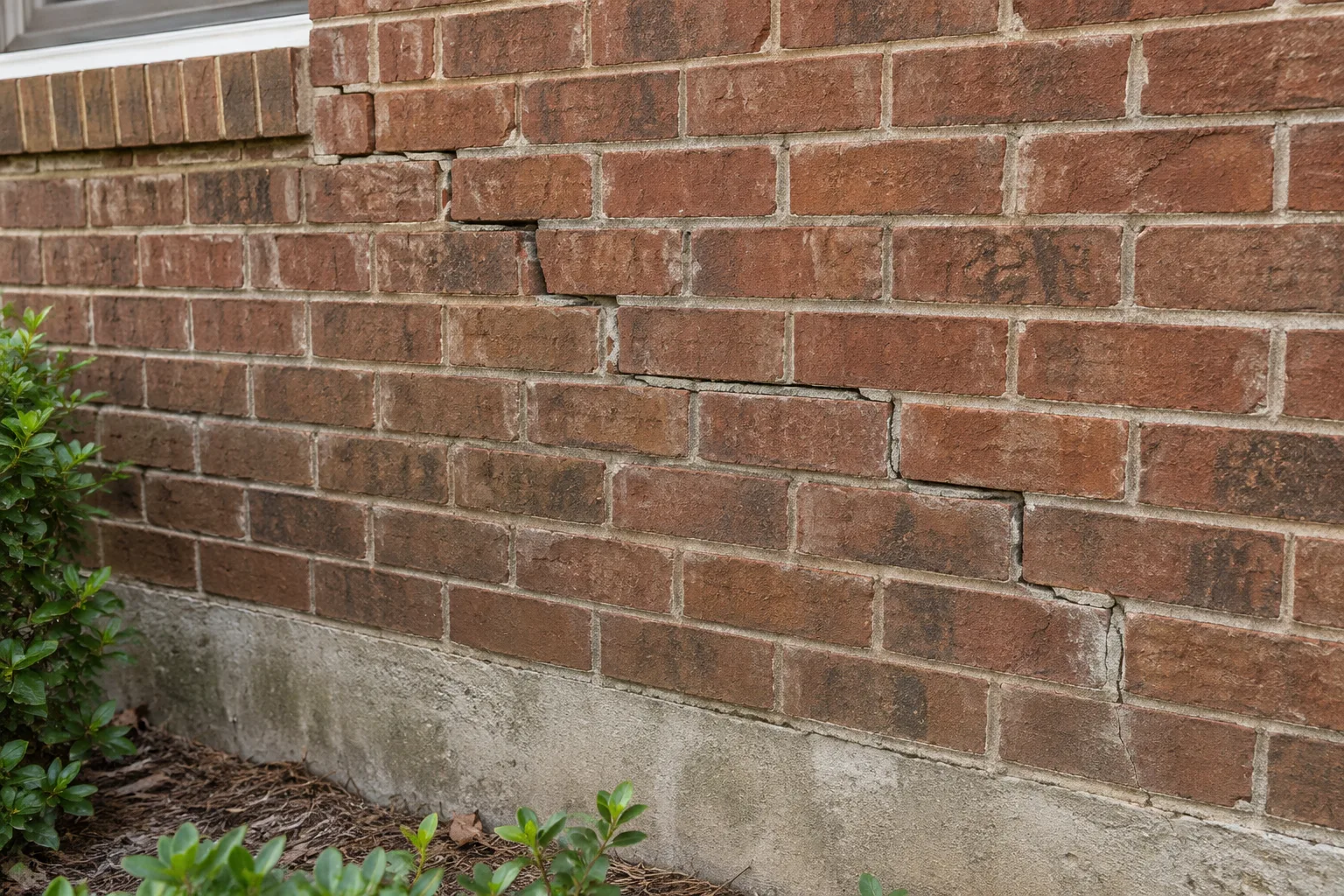
What is the core difference between epoxy and polyurethane crack injection?
Epoxy and polyurethane are different product families with different chemistry, flexibility, moisture response and intended uses. Whether either is suitable depends on the crack, substrate, moisture, movement, product instructions and system design; a label alone does not select a resin.
A provider may investigate whether a crack is changing and whether water follows it, but those observations do not by themselves guarantee candidacy. Ask what function the proposed material is intended to serve and what limitations apply.
Both products may be installed through ports or other preparation, but preparation and material choice depend on the observed condition and manufacturer's requirements. If an introduction is available, ask the contractor to explain alternatives and whether independent engineering review is warranted.
When might epoxy be discussed for a foundation crack?
Epoxy may be discussed for some dry, relatively stable cracks when the product and design support bonding or sealing. It is not automatically suitable for every narrow crack or a crack associated with ongoing movement; confirm candidacy and limitations from the responsible professional.
Poured-concrete cracks can reflect shrinkage, construction, movement or another condition. A provider may consider epoxy where the substrate, moisture, movement history, intended function and product requirements fit, but no neighborhood, age or photograph establishes that fit.
Epoxy can be rigid after cure, so ask how movement, substrate condition, preparation and future monitoring affect the proposed system. See our foundation crack repair overview for questions about injection versus broader work.
Any published injection figure is rough budgeting context, not verified Cobb County price data or a contractor quote. Confirm assessment terms and scope directly.
When might polyurethane be discussed for a leaking crack?
Polyurethane may be discussed for some damp or leaking cracks or irregular substrates when the product and system are designed for those conditions. It is not automatically the right choice for every wet crack, and injection does not address every water path or structural condition.
Rainfall, local geography, ZIP code and season do not select a material. Ask for the observed water path, substrate, movement history, product requirements, limitations and alternatives before authorizing work.
If a basement has water entry, polyurethane may be discussed for a suitable crack, but a photograph or soil label cannot select the method. Ask what water-control scope is needed; see basement waterproofing for system-level questions.
Published injection figures are rough budgeting context, not verified Cobb County price data or a contractor quote.
Is there a quick side-by-side comparison of epoxy versus polyurethane?
A side-by-side comparison should focus on intended function, moisture response, flexibility, substrate, preparation, design requirements and limitations. Neither resin is universally superior, and neither selection can be made from a crack photograph alone.
A contractor may compare the crack's condition, movement history, moisture, wall type, drainage and the manufacturer's system requirements before recommending a product. Ask which alternatives were considered and what the injection will not address.
Any assessment fee, scope and terms are confirmed directly; an assessment does not obligate you to hire.
- Epoxy — a rigid resin that may fit a supported bonding or sealing purpose when product and design requirements are met
- Epoxy — may be limited by moisture, movement, substrate condition or preparation requirements
- Polyurethane — a flexible resin or foam that may fit some damp or leaking conditions when the system is designed for them
- Polyurethane — product expansion, adhesion and flexibility depend on formulation, substrate and installation requirements
- For either product — ask about intended function, alternatives, limitations, monitoring and written warranty terms
What if the crack keeps reopening after injection — does that mean injection failed?
A crack that reopens after injection may indicate movement or another unresolved condition, but it does not identify the cause by itself. Ask what changed, what measurements show, and whether drainage, monitoring, engineering review, or structural support should be considered.
If a crack reopens after injection, the change may indicate movement or another unresolved condition. Ask what measurements show and whether drainage, monitoring, engineering review, or structural support should be considered.
If a contractor proposes helical or push piers, ask for the measured movement, load path, proposed locations, alternatives, installation criterion, and records. See the helical piers page for method questions.
If underpinning is proposed, confirm quantities, installation criteria, exclusions, monitoring and warranty terms. Published per-pier figures are planning examples, not verified local prices or a promise that movement will stop.
How should regional soil context be used when discussing crack injection?
Resin selection depends on the crack's condition, purpose of repair, product requirements and supported design. Seasonal behavior or a soil label alone does not select epoxy, polyurethane or underpinning. Ask what measurements and observations justify the recommendation.
West Cobb saprolite and mapped Cecil information are regional context, not a property diagnosis. A contractor should review moisture, width changes, movement history, drainage, and foundation details before selecting a resin. See foundation crack repair costs in Marietta for budgeting context.
Soil and weathered rock vary by property; a nearby road or lake does not establish the material beneath a footing or its behavior. The crack-repair cost guide offers budgeting questions, not a subsurface diagnosis.
How does the on-site inspection work, and what does it cost the homeowner?
We are not a contractor. If a suitable contractor is available, we may introduce you for direct discussion of the crack, moisture, movement history, and conditions. Confirm identity, license, insurance, assessment fee, scope, schedule, and warranty directly. The referral request has no fee from this service; there is no obligation to hire.
We are not a contractor. Stratum Relay LLC operates this site as a disclosed lead-referral and marketing service. If an introduction is available, a contractor may examine the crack and provide a written scope. The referral request has no fee from this service; any contractor assessment, engineering, repair, or warranty fee is confirmed directly. The USDA Official Series Description for Cecil classifies mapped Cecil soils as low shrink-swell; that regional map is not a diagnosis.
To request an introduction, call (678) 329-9460 or use the foundation inspection page. Availability is not guaranteed. If a contractor is available, scheduling and all credentials and terms are confirmed directly between you and that contractor.
Frequently asked questions
Can a homeowner tell just by looking at a crack whether it needs epoxy or polyurethane?
Sometimes, but moisture, width changes, movement history, wall type, and site conditions matter. A contractor should inspect the crack and explain why epoxy, polyurethane, monitoring, or another method fits rather than deciding from a photograph alone.
Does IRC Section R401 require a specific type of crack injection?
IRC provisions may address foundation performance, drainage or related construction requirements, but they do not select a crack-injection resin for a particular property. Ask the responsible professional to explain the applicable design basis and product requirements; this guide does not establish compliance or load capacity.
Will either epoxy or polyurethane injection stop my basement from flooding?
Injection may seal an individual crack, but it is not a substitute for every basement water-control system. If water has multiple paths, ask for an observed water path, alternatives and a system-level scope. See our basement waterproofing page.
How long does crack injection last?
Service life depends on product, preparation, substrate, movement, water conditions, installation and maintenance. No generic duration or guarantee applies; review written manufacturer and contractor terms directly.
Can injection be done on a block or brick foundation, or only poured concrete?
Products may be available for some block, brick or poured-concrete conditions, but substrate geometry and moisture can change the preparation and suitability. Ask the responsible professional to explain the product, intended function, limitations and alternatives rather than infer candidacy from wall type alone.
What is the referral fee arrangement, and does it affect which repair the contractor recommends?
The referral service may receive a referral fee from a contractor under an arranged agreement, but the contractor sets assessment and repair terms. If an introduction is available, confirm the visit fee, scope, estimate, and recommendation directly; this service does not set those terms.