Foundation Crack Found on Home Inspection: What Buyers and Sellers Should Do Next
Need help with your own home?
Tell us your concern. We'll check local contractor availability.
No referral fee · No obligation to hire
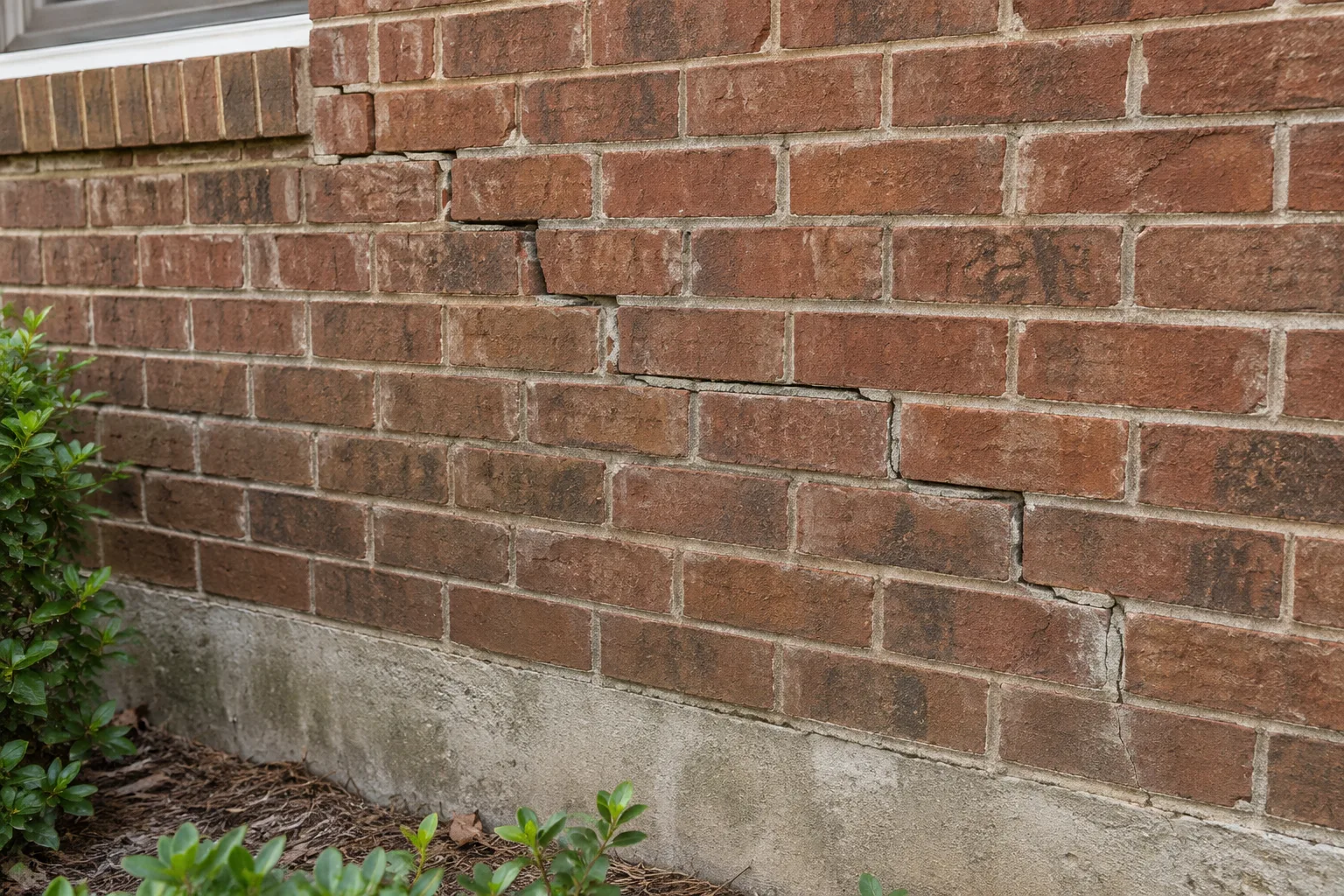
Does a foundation crack on a home inspection report always mean serious trouble?
No. A home-inspection note is an observation, not a diagnosis. Crack width, direction, displacement, water entry, change over time, wall type, and companion signs determine what follow-up may be useful. Ask a qualified professional to explain the evidence.
Home inspectors generally report visible conditions within their scope, including hairline cracks. A narrow crack may reflect curing or another condition, but the report alone cannot establish cause. Request measurements and site-specific review when warranted.
Crack direction, width, displacement, change over time and companion signs can help organize follow-up. Horizontal cracking, displacement or rapid change may warrant prompt qualified review, but no pattern alone establishes a diagnosis.
Within a contract deadline, ask the relevant qualified provider what assessment scope, timing, fee and deliverables are available. A foundation inspection may be one option; this guide does not rank providers or promise a faster or more authoritative result.
What is the difference between a home inspector's note and a structural foundation evaluation?
A home inspector usually reports accessible visible conditions within the inspection scope. A foundation specialist, engineer or other qualified professional may offer additional measurements or analysis, but scope, credentials and deliverables depend on the engagement and should be confirmed directly.
Home-inspection language such as 'monitor' or 'consult a specialist' prompts follow-up; it does not declare a crisis or select a repair.
Ask whether the proposed assessment includes crack measurements, elevations, drainage observations or other investigation, and confirm limitations, fee and written deliverables. A visit does not automatically produce a diagnosis or fixed-price proposal.
Regional soil context does not replace measurements. See why foundations crack in Cobb County for questions about drainage, fill, grading and foundation type.
What crack observations may warrant follow-up?
Horizontal or displaced cracks, stair-step cracking with movement signs, widening cracks, visible bowing, or water entry deserve prompt professional review. A width threshold or pattern alone is not a diagnosis; ask for measurements and a written explanation before a deadline.
Use the report to identify observations for follow-up: crack location, width, displacement, change, water entry, wall type and companion conditions.
Companion signs such as sticking openings, floor changes, diagonal drywall cracks or trim gaps can have multiple causes. Ask for measurements and a written explanation rather than treating a category as a diagnosis.
A report with a narrow stable crack and a report with bowing or displacement may prompt different follow-up, but the scope should be based on property evidence and the transaction's professionals.
- Horizontal or displaced cracking — request prompt qualified review
- Stair-step masonry pattern with movement observations — document and ask for measurements
- Cracks that widen or change — record dates and seek appropriate advice
- Displacement — document offset and wall condition safely
- Companion opening or floor changes — report without assigning a cause
- A narrow vertical crack — ask what monitoring or follow-up is appropriate
How does a foundation issue on an inspection affect negotiations between buyer and seller?
Negotiation options depend on the purchase contract, lender, insurer, seller, buyer, and documented scope. Parties may discuss repair, a credit, escrow, or another arrangement, but no outcome is guaranteed. A written assessment can make the conversation more specific.
A useful written scope identifies observed conditions, proposed method, exclusions, timing assumptions, and pricing terms. Warranty language is separate; request and review it directly rather than assuming a repair is transferable.
Credits, repairs, and escrow arrangements depend on the parties and lender. See foundation crack repair for method questions, and obtain independent advice on the transaction.
A documented repair may help explain a prior condition, but it does not guarantee a smoother transaction. Any warranty is governed by its written terms, including transfer and exclusions.
What are the typical repairs and costs when a foundation crack is found during a home inspection?
Narrow cracks may be candidates for epoxy or polyurethane injection, while settlement, displacement, or bowing may prompt discussion of piers, anchors, drainage, or another method. Measurements, wall type, moisture, and load path matter. Published ranges are rough budgeting context, not verified Cobb County price data or a contractor quote.
Injection products have different purposes and limitations. Ask whether the wall, crack condition, moisture, movement and any structural design support the proposed material. The crack-repair guide offers questions; it does not establish a most-common repair or guaranteed material outcome.
If movement is documented, a contractor or engineer may discuss helical piers, push piers, or another support method. Request measurements, load path, quantities, depth or bearing basis, alternatives, and written terms; do not infer a repair from a regional soil label.
Bowing-wall methods and warranty terms vary. Published ranges are rough budgeting context, not verified Cobb County price data or a contractor quote. Confirm any proposed scope and warranty directly.
Does a repaired foundation crack affect the home's resale value or future inspections?
A repair record may help a future review, but resale, lender, inspection, and warranty outcomes are not guaranteed. Keep the report, invoices, photographs, scope, exclusions, and written warranty terms, and disclose the history as required.
A repair record may help a future review, but resale, lender, inspection and warranty outcomes depend on the property and transaction. Keep reports, invoices, photographs, scope, exclusions and written warranty terms.
Disclosure duties and material-defect questions are legal and transaction-specific. Obtain advice from the relevant real-estate or legal professional rather than relying on a general statement about Georgia law.
Buyer requests and market responses differ by property and transaction. Documentation may be useful, but no buyer, lender or closing outcome is promised.
What regional context may matter when a crack appears on an inspection report?
Regional Piedmont and Cecil soil information is context, not a diagnosis. Soil, fill, drainage, foundation type, construction, and site history vary across Cobb County. An assessment should connect any recommendation to observed measurements and evidence.
Seasonal moisture can affect some properties, but the amount and effect vary by lot. Weathered granite or saprolite may occur in parts of West Cobb, yet nearby geography does not establish bearing capacity or crack cause. Request site-specific evidence.
A specialist may have relevant local experience, but credentials and competence should be checked directly. Do not assume a regional soil pattern explains a crack without measurements and a clear written rationale.
Hairline cracks may remain stable, while other conditions need action; the category depends on evidence. Published costs are rough budgeting context only. See vetting a foundation contractor in Cobb County for questions to ask before accepting a proposal.
How does the disclosed referral service work, and what does it cost the buyer or seller?
We are not a foundation contractor. If a suitable contractor is available, this disclosed referral service may introduce you; availability and credentials are not guaranteed. Verify identity, license, insurance, assessment fee, scope, schedule, price, and warranty directly. The referral request has no fee from this service; contractor compensation, if any, is governed by the referral agreement.
When a report raises a deadline question, call (678) 329-9460 or submit a request so we can check whether a suitable contractor is available. We do not promise an introduction or schedule; any assessment terms are confirmed directly.
We do not promise or vet a contractor's license, insurance, warranty or track record. If introduced, request and verify those details directly, along with fee, scope, schedule and price.
This service discloses its referral relationship. Request an introduction if available or call (678) 329-9460 to ask about availability. Confirm the assessment fee, scope, schedule, and whether written findings are offered directly with any provider; no visit or transaction result is guaranteed. Related guide: horizontal-crack questions.
Frequently asked questions
Can a home sale proceed if the inspection report lists a foundation crack?
A sale may proceed, change terms or not proceed depending on the contract, parties, lender, insurer and documented condition. A crack note alone does not predict an outcome; obtain appropriate assessment and transaction advice within the applicable deadline.
How quickly can a foundation specialist evaluate a crack found during a home inspection?
A contractor may schedule an assessment directly if an introduction is available. Confirm timing, fee, and scope with the contractor, then request a written explanation that distinguishes cosmetic cracking from movement.
Is a stair-step crack in brick on a home inspection report always structural?
Stair-step cracking can be relevant when paired with displacement or other movement signs, but the pattern alone does not prove differential settlement or a particular soil cause. Request measurements and qualified review.
What if the seller refuses to credit or repair a flagged foundation crack?
Options depend on the purchase contract and advice from the buyer's or seller's transaction professionals. Parties may discuss a credit, repair, escrow, renegotiation or termination where permitted, but no option or outcome is guaranteed. Obtain a written scope if needed before the response deadline.
Does Marietta Foundation Repair perform the foundation repairs itself?
No. This service is a disclosed referral service operated by Stratum Relay LLC, not a contractor. If a suitable contractor is available, any assessment or physical work is arranged under direct terms. Verify fee, scope, credentials, and availability; there is no fee to submit a referral request.
What foundation crack repairs are typically covered by a transferable warranty?
Warranty scope, duration, exclusions, and transferability vary by contractor or manufacturer. Ask for written terms and claim procedures before signing; do not assume a repair carries a transferable warranty.