Foundation Repair Financing in Georgia: A Homeowner's Guide to Paying for the Work
Need help with your own home?
Tell us your concern. We'll check local contractor availability.
No referral fee · No obligation to hire
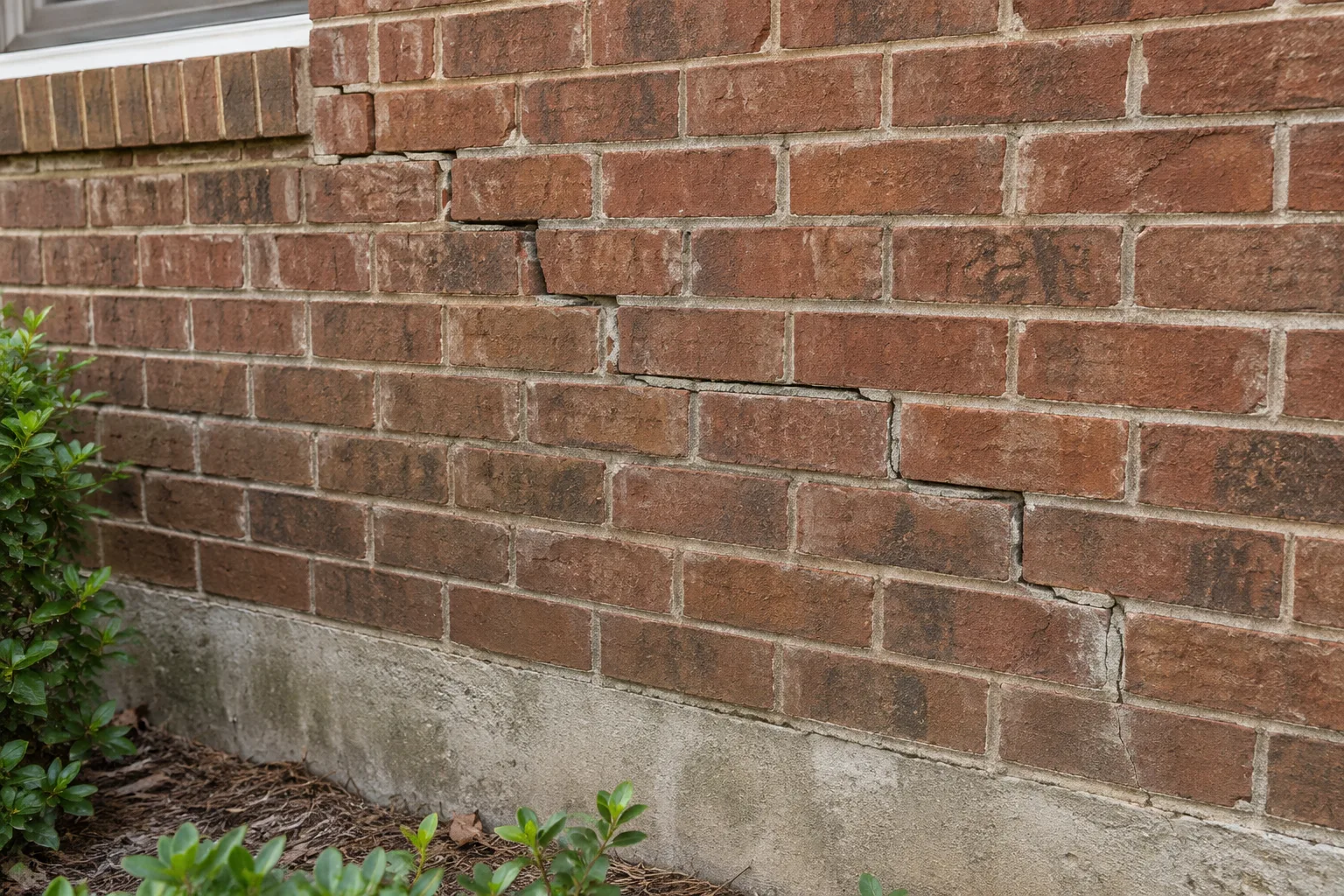
How much does foundation repair cost in Georgia, and why does financing matter?
Costs depend on the agreed scope, quantities and terms; published figures are rough planning examples, not verified prices. Whether financing makes sense depends on your own finances and actual offers, not an assumption about what most homeowners can afford.
Crack injection, pier work, and slab leveling have different possible ranges, but each is rough budgeting context only. Use the cost estimator for planning, then ask a contractor for a written scope and price. These figures are rough budgeting context, not verified Cobb County price data or a contractor quote. The USDA Official Series Description for Cecil classifies mapped Cecil soils as low shrink-swell; that regional map is not a diagnosis.
A foundation concern may progress, remain stable or have a nonstructural cause. Neither a Piedmont location nor a delay automatically means more piers will be needed. Obtain a supported diagnosis before accepting a repair or borrowing money for it.
Before comparing financing, ask for the proposed scope, quantities, exclusions and price in writing, including whether further investigation or change orders could alter the amount. A contractor decides whether to offer that proposal and what any assessment or engineering work costs.
Why do I need a written estimate before I can apply for financing?
Lenders and payment-plan providers may require a project-specific amount, but this service cannot supply an exact estimate. If a suitable contractor is available, ask for a written, itemized proposal and confirm assessment terms directly before comparing loan amount, APR, fees, eligibility, and total repayment.
A written estimate can list method, quantities, drainage or crack work, and total price. Learn what to ask during an assessment before applying for financing; the contractor or lender sets the relevant terms.
Ask whether the contractor offers an itemized proposal, what information it will contain, and whether an assessment or engineering fee applies. The referral request is free from us; a contractor visit or written estimate is not guaranteed. Use confirmed terms rather than assumed costs when comparing lenders.
If you compare contractors, collect written scopes and compare total repayment, fees, change-order rules, and the contractor’s assessment terms. See the contractor-vetting guide before signing any agreement.
What payment options should I compare?
Depending on availability and your circumstances, options may include savings, a payment arrangement or a lending product. This service offers none of these and does not establish eligibility. Compare actual terms, risks and total cost rather than a presumed most-common choice.
Using savings avoids taking on a new loan but affects cash available for other needs. Consider your own budget and reserves; the site's illustrative repair ranges do not establish affordability.
Some businesses may offer financing or payment arrangements, but this service does not establish that any introduced contractor does. Ask directly about availability, lender identity, APR, fees, eligibility and total repayment. Do not infer financing terms from a referral or a monthly-payment example.
For any home-equity, personal-loan or card offer, confirm permitted use, security, APR, fees, payment changes, timing, default consequences and total repayment. A repair does not guarantee a property-value increase, and no product is automatically best for a particular project.
- Savings: consider the effect on reserves and other obligations.
- Payment arrangement: confirm availability, fees and the complete schedule.
- Home-equity borrowing: confirm collateral and default risks as well as cost.
- Personal or home-improvement loan: compare actual eligibility, security and repayment terms.
- Credit card: understand promotional conditions, later rates and total repayment.
Does homeowners insurance cover foundation repair in Georgia?
This service cannot determine whether your loss is covered. Review the actual policy, exclusions and endorsements with the insurer using the documented facts; neither a regional soil explanation nor a repair quote decides coverage.
Insurance treatment depends on the policy and documented cause. Gradual settlement and soil movement may be excluded, while a sudden covered event may be treated differently. See the insurance guide and confirm coverage with your carrier; this site does not make claim determinations.
If a sudden event may be covered, ask the insurer what documentation it requires. A contractor may provide a written scope or photos, but this service and any contractor do not determine coverage; confirm the claim directly with your carrier.
Ask the insurer for its position and any documentation requirements. Compare your options using confirmed coverage and financing terms rather than assuming either reimbursement or a need to borrow.
What happens if I delay repairs to save up more money?
The effect of waiting depends on the actual condition and safety advice. This guide cannot predict progression, repair costs or whether borrowing is appropriate. Seek appropriate assessment, understand any immediate precautions and compare actual scope and financing terms.
Cracks, door changes, uneven floors or chimney movement warrant appropriate attention, but do not establish a cost trajectory or the number of piers needed. Keep clear of immediate hazards and seek the relevant emergency or professional help.
A smaller repair may or may not cost less overall than a later structural scope; no outcome is guaranteed. Ask for measurements, alternatives, exclusions, and how the price changes between options. Learn more about repair methods. These figures are rough budgeting context, not verified Cobb County price data or a contractor quote.
An assessment can give you a current snapshot of observed conditions and a written scope. Ask the contractor to explain what they measured, what may worsen, and how the cost changes between options. Any fee is confirmed directly before scheduling.
How does the referral service work, and what does it cost me?
We are not a contractor or lender. If a suitable contractor is available, this disclosed referral service may introduce you to that contractor. Contractor assessment fees, scope, schedule, pricing, and financing terms are confirmed directly with the contractor or lender. The referral request has no fee from this service; if an introduction is arranged under a referral agreement, the contractor may compensate us.
If an introduction is available, the contractor may contact you directly to discuss an assessment. Availability is not guaranteed. Confirm the contractor’s identity, license, insurance, assessment fee, scope, schedule, and any payment or financing terms directly.
The contractor or lender sets financing terms. This service does not set repair prices and does not promise that referral compensation will or will not affect a quote. Compare the written scope, total repayment, fees, and change-order terms before signing.
We do not arrange financing or recommend a lender. If a contractor or lender offers a product, obtain its terms directly and compare eligibility, APR, fees, security requirements and total repayment. A referral does not establish that financing is available.
What should I ask the contractor about their financing or payment plan options?
Before agreeing to any financing arrangement offered through a contractor, ask for the total cost of the loan including all fees and interest, the monthly payment amount, the length of the term, whether there is a prepayment penalty, and what happens if you pay off early. Get all terms in writing before you sign.
A financing offer through a contractor may involve a separate lender or process. Confirm the lender, APR, fees, payment schedule, total repayment and all conditions in writing before signing. Convenience is not a substitute for reviewing the terms.
If you compare a contractor financing offer with a personal loan or HELOC, obtain each offer in writing and compare APR, fees, and total repayment. See the contractor-vetting guide for questions before signing.
This page is general information only and is not financial or legal advice. Every homeowner's financial situation is different. Verify all financing terms, interest rates, and eligibility requirements directly with the contractor or lender. The information here is provided to help you ask the right questions, not to substitute for professional financial guidance.
How do I get started and find out my actual repair cost?
You may request an introduction by calling (678) 329-9460 or using the form. We do not guarantee a contractor, assessment or estimate. If a contractor accepts, confirm scope, assessment fees and any written proposal directly before making a financing decision.
A written estimate gives you a project-specific number for lender or budget discussions, but it remains the contractor’s proposal and may change under its terms. The cost estimator provides only directional context.
If you want to review warning signs before requesting an introduction, review the common signs. A referral and any assessment are not guaranteed; confirm contractor availability and terms directly.
This site accepts requests concerning Marietta, Smyrna, Kennesaw, Acworth and Powder Springs. Confirm an individual contractor's property ZIP coverage, relevant experience and proposed methods directly; a town name does not establish those qualifications.
Frequently asked questions
Can I get foundation repair financing with bad credit?
Eligibility and available products are determined by the provider. We do not offer financing or guarantee that an introduced contractor has a program. Ask the actual lender about requirements, costs and risks before applying.
What should I confirm before scheduling an inspection?
Any assessment fee and scope are confirmed directly, and there is no obligation to hire. If an introduction is available, ask the contractor for a written estimate, then compare APR, fees, total repayment, and change-order terms before borrowing.
How long does it take to get financing approved for foundation repair?
Ask the lender for its current process and timing, including required documents and conditions. This service does not promise same-day or other approval periods. Address immediate property hazards through appropriate help rather than treating a loan timeline as safety advice.
Will fixing my foundation increase my home's value enough to justify financing it?
Repair does not guarantee a sale price, financing approval or a return exceeding borrowing costs. Discuss documented conditions and transaction-specific requirements with appropriate real-estate, legal and financial professionals; compare actual proposals and loan terms.
Can I use a HELOC to pay for foundation repair on a home in Marietta or East Cobb?
Ask the lender whether the proposed use is permitted and what eligibility, collateral, appraisal, fees and repayment conditions apply. A referral or repair proposal does not establish approval or make borrowing against the home appropriate for your circumstances.
What if my foundation problem turns out to be minor — will financing still make sense?
For a smaller scope, interest and fees may make borrowing unattractive, but the decision depends on your circumstances and actual terms. Obtain a written proposal if offered, understand exclusions and possible changes, and compare total repayment. Our budgeting examples are not a verified local price survey or an exact cost.